
Oilfield, Trucking & Industrial Accident Lawyer
Serious Accidents Require More Than a General Personal Injury Lawyer
Oilfield and industrial accidents are different from ordinary injury cases.
A serious accident on a drilling rig, workover rig, production location, pipeline project, or industrial site may involve multiple companies, specialized equipment, overlapping safety responsibilities, and operating procedures that are unfamiliar to lawyers who do not work in the energy industry.
Kenneth Shore brings firsthand oilfield experience to these cases
Kenneth is Board Certified in Oil, Gas and Mineral Law by the Texas Board of Legal Specialization and has experience as an oil and gas operator and energy-services business owner. He understands oilfield operations because he has worked in the industry—not simply litigated cases involving it.
That experience matters when the question is not merely what happened, but why it happened and who was responsible.
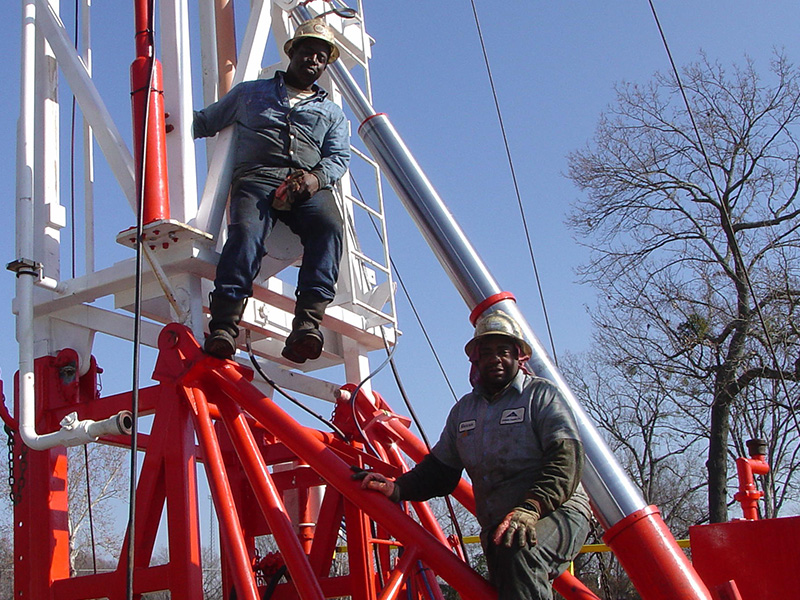
Understanding What Happened at the Wellsite
Oilfield accidents frequently occur during operations where several things are happening at once.
A crew may be rigging up or rigging down. A well may be undergoing a workover. Rods, tubing, or other equipment may be moving. A pumping unit may still contain stored mechanical energy. Trucks may be entering and leaving the location. Contractors and subcontractors may each be performing different parts of the operation.
After an accident, the investigation often turns on details such as:
- Who was directing the operation?
- What work was actually being performed at the moment of the accident?
- What equipment was energized or capable of movement?
- What hazards should have been recognized?
- What equipment should have been secured?
- Who controlled the worksite?
- Which contractor was responsible for the particular operation?
- Were established procedures actually followed?
- Did the written safety investigation accurately reconstruct what occurred?
Those questions cannot always be answered by reading an incident report.
They require understanding the operation itself.
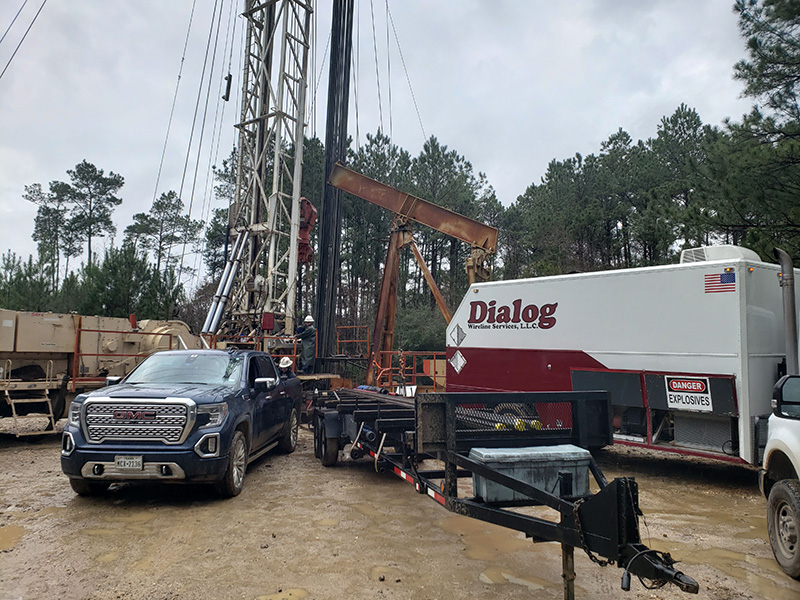
OILFIELD ACCIDENTS
Shore Law represents individuals and families in serious injury and wrongful-death cases involving oilfield operations, including accidents involving:
- Drilling rigs
- Workover and pulling units
- Pumping units
- Rods and tubing
- Blocks, elevators, tongs, slips, and rig-floor equipment
- Cranes, winches, tag lines, and material handling
- Pressure-control equipment
- Well servicing operations
- Pipeline construction and maintenance
- Explosions and fires
- Stored mechanical or hydraulic energy
- Falling or suspended equipment
- Struck-by and caught-between accidents
- Unsafe rig-up and rig-down operations
- Contractor and subcontractor safety failures
An accident investigation may focus heavily on whether a particular safety rule was technically violated. But the more important question is often whether the procedure being discussed had anything to do with the hazard that actually caused the accident.
Shore Law focuses the case on the real operation and the real mechanism of injury.
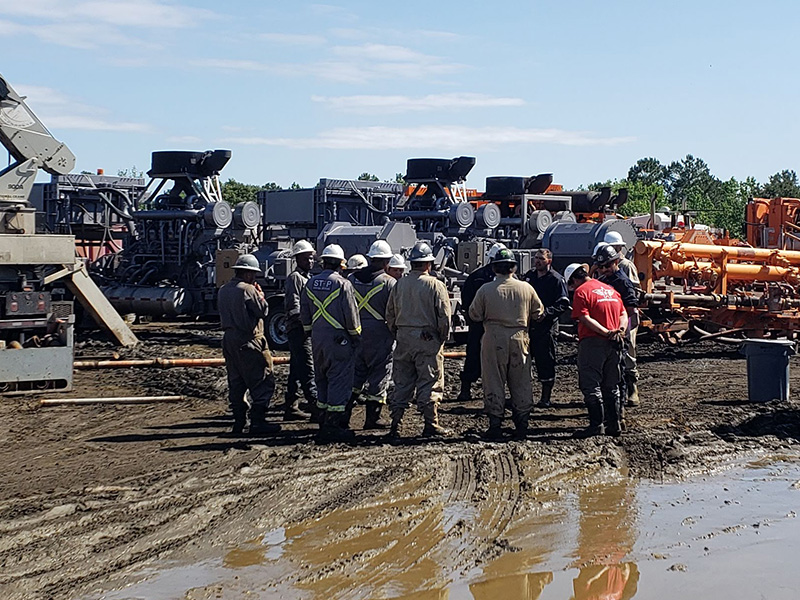
Claims for Damage to Wells and Oilfield Equipment
Shore Law also represents operators and working-interest owners when service-company mistakes damage a well, equipment, or producing asset.
Oilfield service failures can cause losses far beyond the immediate repair bill. A mistake during drilling, completion, workover, wireline, cementing, fishing, stimulation, pressure-control, or other field operations can damage the wellbore, impair production, require an expensive remedial operation, or in severe cases result in the loss of the well.
These disputes often require an understanding of both the contract documents and the operation that caused the damage.
Shore Law handles claims involving:
- Workover and well-servicing errors
- Fishing and retrieval failures
- Wireline and logging mistakes
- Cementing failures
- Pressure-control and well-control incidents
- Tubing, rod, casing, or downhole equipment damage
- Improper handling or operation of surface equipment
- Damage caused during drilling, completion, or stimulation operations
- Negligent repair or maintenance work
- Lost or impaired production
- Remedial and redrilling costs
- Damage to lease equipment and production facilities
- Contractual indemnity, limitation-of-liability, and risk-allocation disputes
These cases frequently turn on technical questions: what operation was being performed, what the service company was supposed to do, what went wrong, whether the damage could have been avoided, and which losses were actually caused by the failure.
Kenneth Shore's experience as an oil and gas operator gives Shore Law a practical understanding of those issues from the operator's side of the transaction.
The same operational knowledge that helps investigate a serious oilfield injury also matters when the injured asset is the well itself.
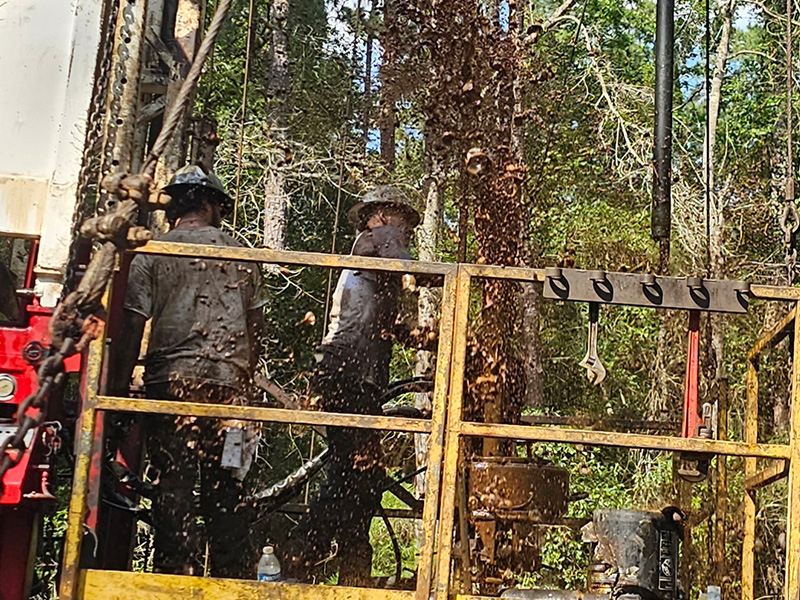
OILFIELD TRUCKING ACCIDENTS
Oilfield transportation creates risks that are different from ordinary highway trucking.
Vacuum trucks, water haulers, crude-oil trucks, equipment haulers, hotshot trucks, rig-moving equipment, and other commercial vehicles frequently operate on rural highways, lease roads, and congested wellsites. Drivers may be working long hours and traveling between locations under significant operational pressure.
Shore Law handles serious trucking accidents involving:
- Vacuum and saltwater trucks
- Crude-oil and produced-water haulers
- Sand and materials transportation
- Equipment and pipe hauling
- Hotshot trucks
- Rig-moving equipment
- Tractor-trailers serving oilfield locations
- Commercial vehicles entering or leaving lease roads
- Driver fatigue
- Unsafe loading or securement
- Poor vehicle maintenance
- Employer and contractor responsibility
- Negligent hiring, supervision, or retention
A trucking case should not stop with the driver.
The investigation may need to determine who owned the truck, who employed the driver, who controlled the work, whether another company effectively directed the transportation, what electronic and dispatch records exist, and whether the accident arose from broader operational pressures.
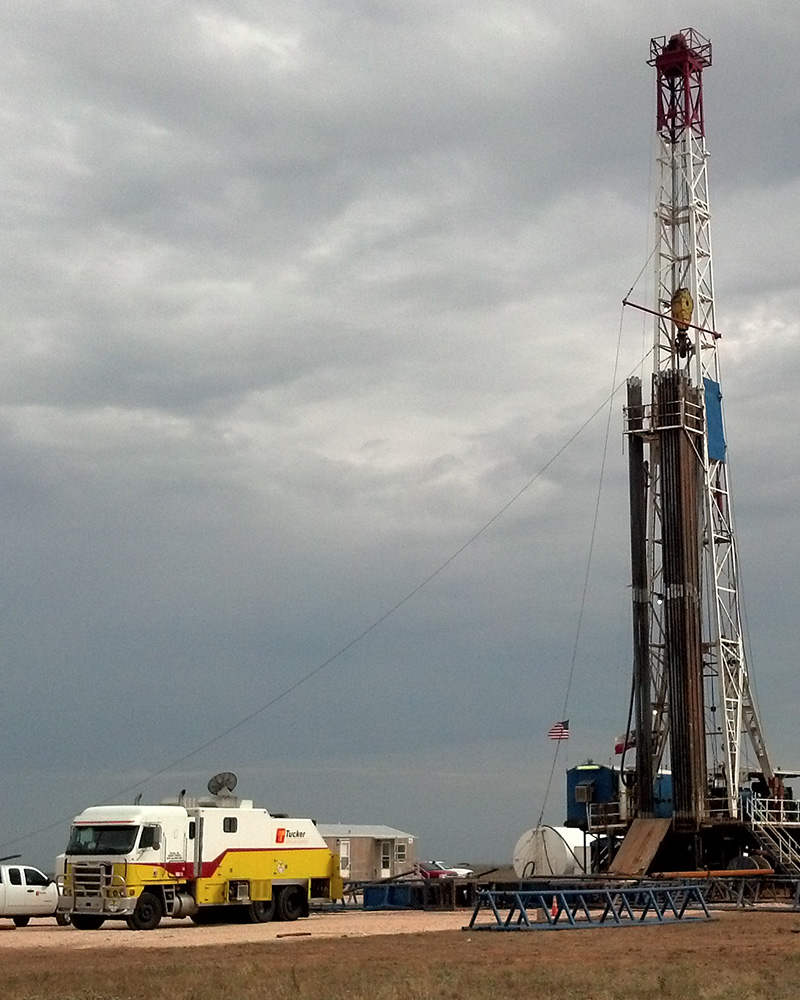
INDUSTRIAL ACCIDENTS
The same investigative approach applies to serious accidents at industrial facilities.
Industrial cases frequently involve machinery, contractors, energy sources, confined work areas, maintenance operations, and procedures developed specifically for the facility involved.
Shore Law handles catastrophic injury and wrongful-death cases involving:
- Manufacturing facilities
- Industrial plants
- Pipeline and midstream facilities
- Compressor stations
- Oil and gas production facilities
- Heavy machinery
- Cranes and lifting operations
- Fires and explosions
- Electrical and mechanical hazards
- Equipment failures
- Contractor operations
- Maintenance and repair work
- Unsafe work procedures
The central question is often not simply whether an accident occurred, but how the work was supposed to be performed, how it was actually performed, and why the safeguards failed.
The Investigation Starts With the Operation
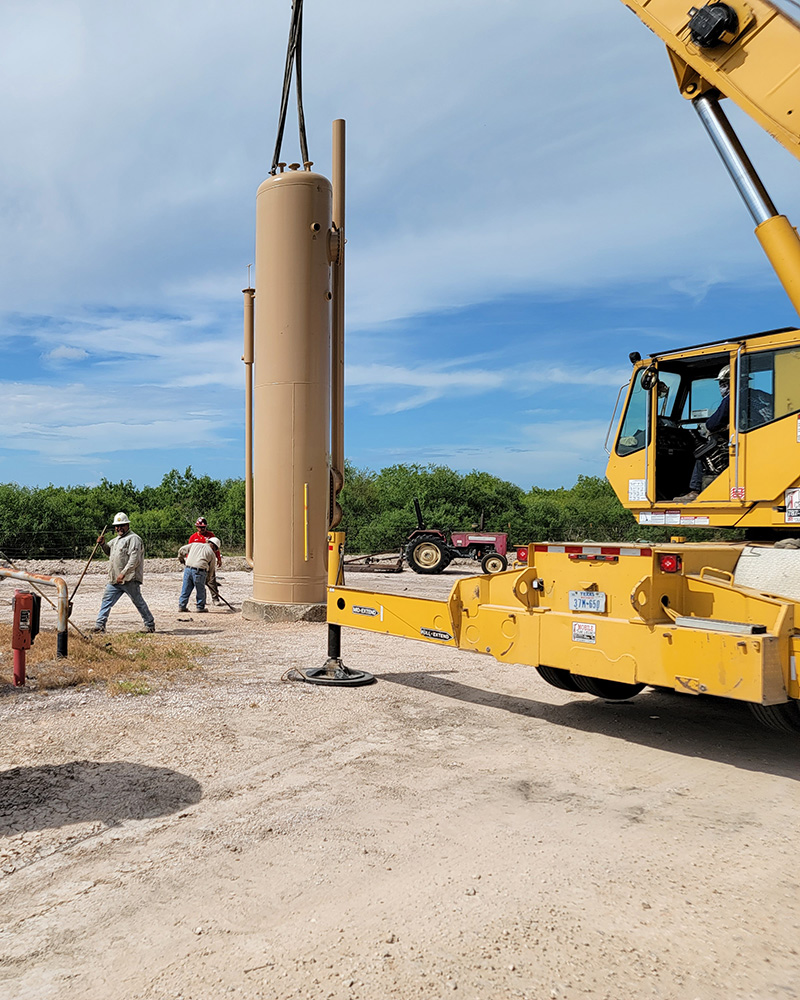
In a serious industrial or oilfield accident case, early investigation can be critical.
Equipment may be repaired or moved. A well may return to production. Trucks may go back into service. Electronic information may be overwritten. Contractors may leave the location. Witnesses may disperse.
Shore Law investigates the physical and operational facts, including where appropriate:
- Photographs and video
- Equipment involved in the accident
- Work orders and job procedures
- Safety policies and job-safety analyses
- OSHA investigation materials
- Company incident reports
- Training records
- Maintenance and inspection records
- Electronic logging and vehicle data
- Dispatch and GPS information
- Contractor agreements
- Witness statements
- Applicable industry standards
The objective is to reconstruct the accident before the evidence disappears and determine which facts actually matter.
OILFIELD EXPERIENCE MATTERS
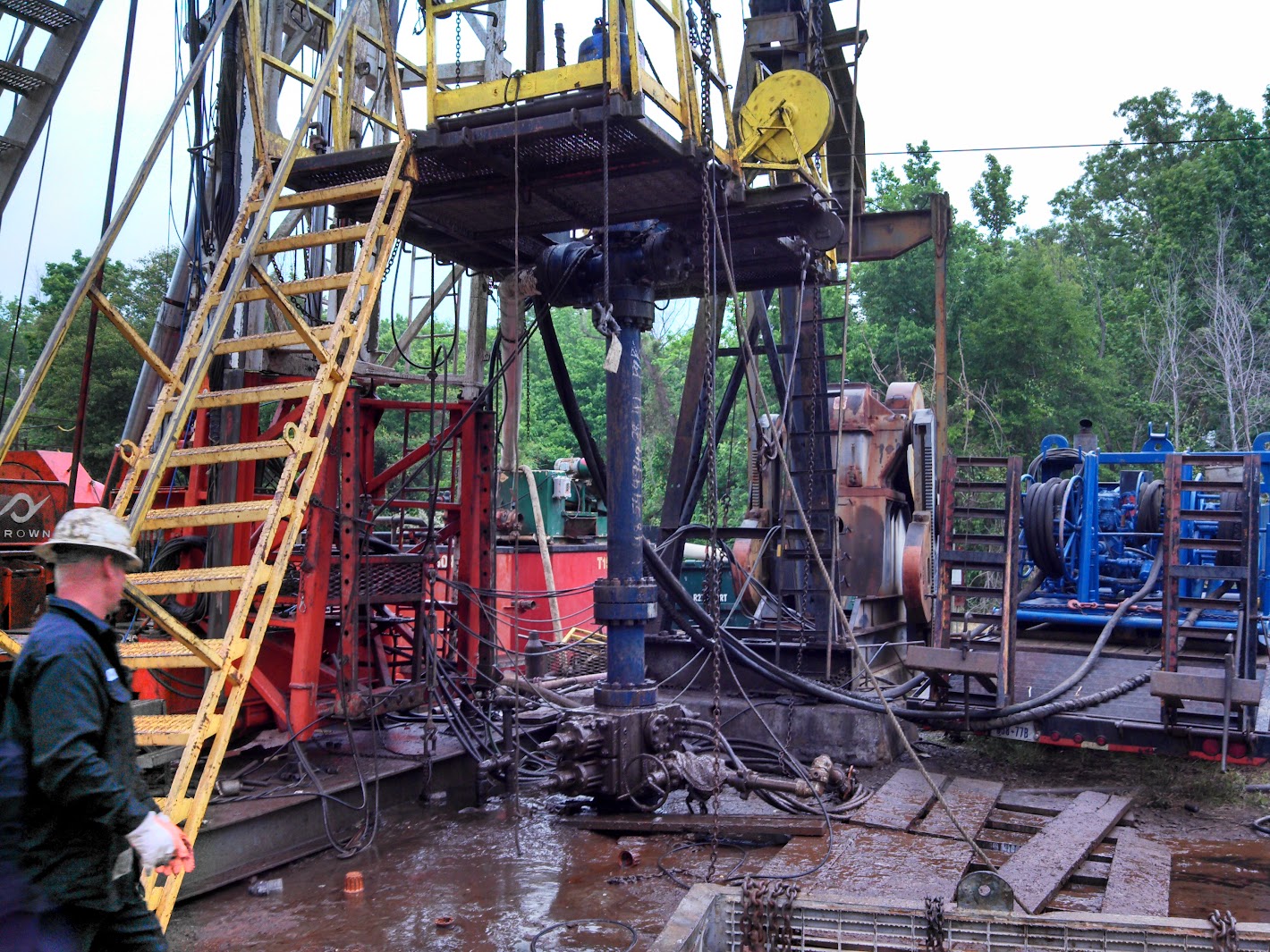
A lawyer investigating an oilfield accident needs to be able to walk onto a location, look at the equipment, talk to the people who performed the work, and understand what they are describing.
Kenneth Shore has experience operating oil and gas wells and owning an energy-services business. He also has decades of litigation experience and is Board Certified in Oil, Gas and Mineral Law.
That combination provides Shore Law with an unusual perspective in oilfield accident litigation:
understanding both the courtroom and the operation that led to the case.
Serious Injuries and Wrongful Death
Shore Law represents clients in cases involving catastrophic injuries and death, including:
- Traumatic brain injuries
- Spinal-cord injuries
- Burns
- Crush injuries
- Amputations
- Orthopedic injuries
- Permanent impairment
- Fatal accidents
A catastrophic accident can affect far more than immediate medical expenses. A serious injury may alter a person's ability to work, provide for a family, perform everyday activities, and live independently.
Shore Law develops the liability and damages case together so that the full consequences of the accident can be presented clearly.
Talk Directly With the Lawyer Handling Your Case
Shore Law is intentionally different from a high-volume personal injury firm. When you hire Shore Law, you work directly with Kenneth Shore, the lawyer responsible for your case.
If you or a family member has been seriously injured in an oilfield, trucking, or industrial accident, contact Shore Law to discuss what happened and whether Shore Law can help.
Shore Law PLLC
Longview, Texas
Serving clients throughout Texas
(903) 738-7554
Schedule a Consultation
